
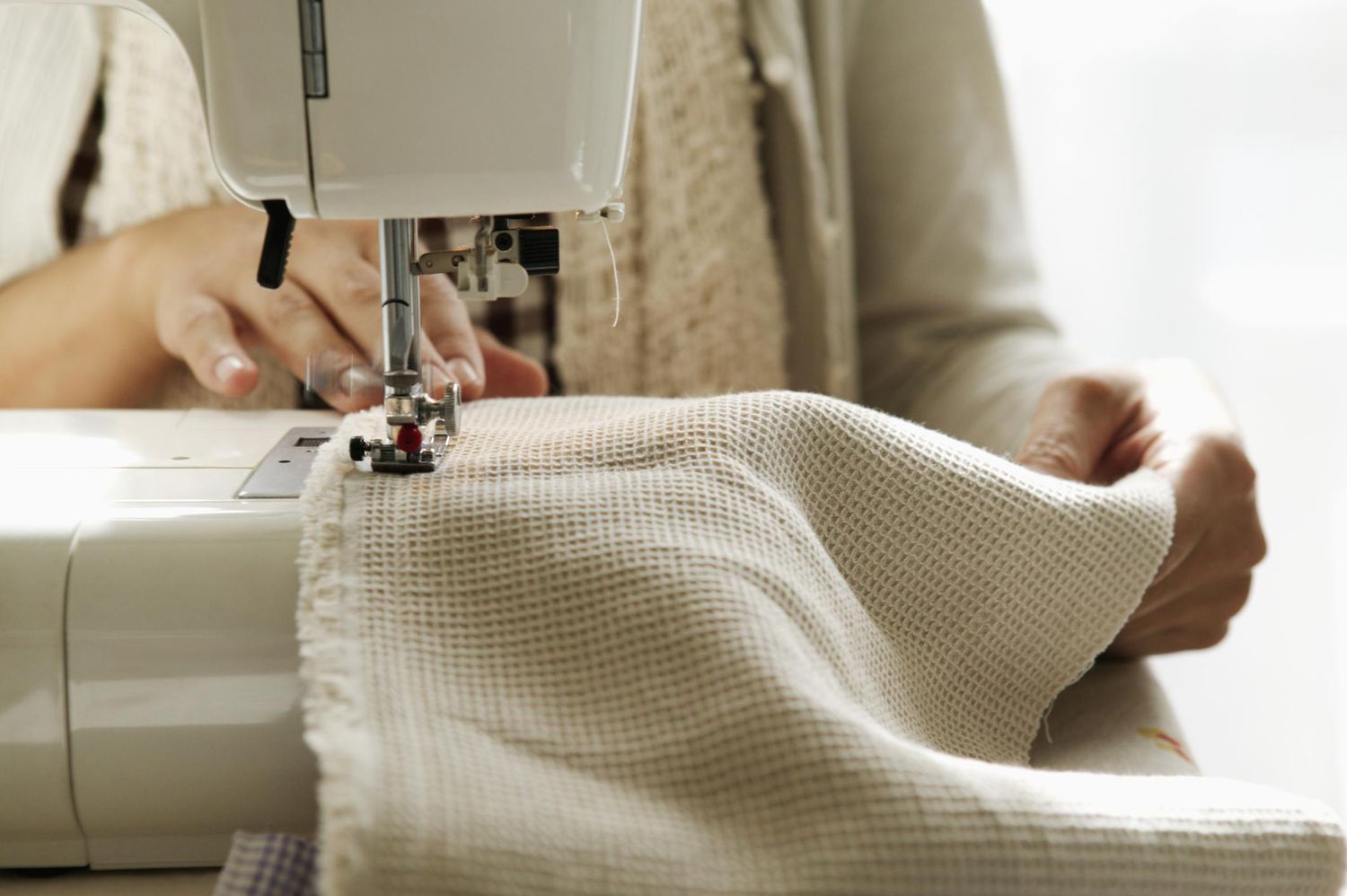
Something interesting has been happening with sewing lately. It’s gone from a quiet, mostly-forgotten hobby to something Gen Z and millennials are actually posting about, with younger sewists now making up 60% of new sewers in North America and millions of sewing videos flooding social media. Turns out there’s something genuinely satisfying and real about making something with your hands instead of scrolling past seeing others do it.
If you’ve made it through a beginner class, good, you already know the basics work. Machine’s threaded without a fight. The seams are straight-ish. You didn’t cry during your first buttonhole (or you did, and that’s fine too). That’s real progress, genuinely! But nobody tells you the honest part: finishing beginner sewing gets you a learner’s permit, not a license.
So, that’s what this guide is actually for, the stage right after “I can technically sew” and before “I know what I’m doing.” The skills below are the ones that take a simple, safe project and turn it into something that looks like you meant to do all of it, not just the parts that went well.
Why Continuing to Build Your Sewing Skills Matters
Nobody has to move past beginner sewing. Plenty of people sew simple totes and pillowcases for years and never want anything more, and that’s completely fine. But for the ones who do want more, a real garment, something with structure, something with an actual zipper, skill is what closes that gap. And honestly, the timing works in your favor. Professional tailors and dressmakers in the U.S. have declined by about 30% over the last ten years, while demand for alterations and custom pieces has only grown. Learning this stuff isn’t just a hobby upgrade. It’s a skill getting rarer by the year.
The payoff shows up visually too, not just in bragging rights. A flat seam instead of a puckered one is proof you can point to. A buttonhole that holds the first time, not the third, same deal. And confidence built through practice doesn’t announce itself, it sneaks up, until suddenly the last few things you made turned out better than you were expecting.
Reading and Understanding Sewing Patterns
As the name suggests, beginner sewing is basically follow-the-instructions. On the contrary, intermediate sewing is where the pattern starts talking in its own language, and nobody hands you a dictionary. Notches, grainlines, seam allowances, cutting layouts, unfold a pattern sheet for the first time and none of it makes much sense. Give it a few tries, though, and it clicks. Once it does, a whole world of patterns opens up, indie designers, the classic pattern companies, stuff way beyond the beginner-friendly options.
Moreover, here’s something that takes a minute to get hold of, the fabric type listed on a pattern itself isn’t a suggestion, it’s part of the design. Yes, read that again and loud. A flowy rayon and a stiff cotton twill in the same pattern produce two completely different garments, drape and weight do that much work. Once you get comfortable reading those specs, plus following the steps without hand-holding, then sewing starts feeling a lot less like following orders and more like actually knowing what you’re doing.
Mastering More Advanced Sewing Machine Techniques
One stitch, one setting, that’s beginner sewing in a sentence. Everything else on the machine is basically waiting to be discovered. Tension, stitch length, pressure, they all shift depending on the fabric, and dialing them in is honestly where “decent” starts turning into “actually good.”
- Working With Different Stitch Types: zigzag stops knits from popping stitches, reinforcement stitches hold up at stress points, and yeah, they’re both worth learning.
- Adjusting Machine Settings for Better Results: the tension that looks great on cotton can turn a knit into a puckered mess in about two seconds.
- Improving Sewing Precision: slow down on the curves. Seriously, that one habit fixes more wobbly seams than anything else on this list.
Learning Essential Construction Techniques
A short list of skills basically opens the door to real garment sewing, and this is that list. Zippers scare almost everyone at first. Land one clean buttonhole, though, and it feels like a small magic trick. Corners and curves are usually where a homemade project gives itself away, and a little technique fixes that fast.
- Sewing Buttonholes and Attaching Buttons: even spacing and clean stitching here does more for a finished look than people assume.
- Installing Zippers: the method clicks eventually, and once it does, invisible and exposed zippers stop being two different fears.
- Creating Neat Corners, Curves, and Edges: for a clean, professional look, always clip, trim, press, in that order, when it comes to edges or corners.
Developing Strong Fabric Handling Skills
Fabric isn’t one thing, it’s dozens of things wearing the same word. Satin slides everywhere the second you look away. Knits stretch out of shape if you handle them wrong. Cotton, thankfully, mostly just behaves. Figuring out which is which before starting a big project saves real frustration down the line, and a lot of crooked seams too.
- Different Fabric Types: knits stretch, wovens don’t, treat them the same and seams end up puckered or torn.
- Cutting Fabric More Accurately: dull scissors plus an ignored grainline is basically a guarantee of crooked pieces.
- Preventing Fabric Distortion: pin more than feels necessary at first, it stops fabric from creeping through the machine.
Learning Professional Finishing Techniques
Here’s the part nobody talks about enough: finishing is what makes something look handmade in the good way instead of the “oh, I can tell” way. You can construct a project perfectly and still have it look a little off if you skip this step. Genuinely, a few extra minutes with the iron does more for how a project looks than almost anything else you’ll learn.
- Pressing Seams Correctly: press as you sew, not just when the whole thing’s done, or every layer ends up fighting itself.
- Finishing Raw Edges: a zigzag, a serger, or bias binding, pick one, and your seams stop fraying apart in the wash.
- Improving the Overall Appearance: clip your threads, keep interior seams tidy, throw in a topstitch here and there. Small stuff, big difference.
Signs You’re Ready to Learn Intermediate Sewing Skills
Not sure if you’re past the basics yet? Honestly, most people don’t announce it to themselves, they just kind of notice one day that sewing feels different than it used to. The panic’s gone and the projects that used to take an entire weekend now take an afternoon. And you’re not double-checking every single step against the instruction sheet. That shift usually means your hands have caught up, and it’s a pretty reliable sign there’s more room to grow than beginner projects can actually offer at this point.
Check a few of these off and you’re probably already there, whether you’ve clocked it yet or not.
- You barely open the manual anymore, your machine just makes sense now
- You can start and finish a project solo, no teacher hovering nearby
- You’re bored of the same three beginner projects and want something that actually challenges you
- You can look at your own work and tell exactly where it’s falling short
Explore Advance Sewing Classes & Start to Master Your Sewing Skills!
Trial and error works, eventually, usually with a few ruined seams along the way. But it’s a lot faster with someone trained in the room who can catch the tension problem before it takes down the whole project. Advance sewing classes offers the following benefits when it comes to mastering sewing skills:
- Classes built to pick up right where your current skills stop
- Small groups, which means actual feedback, not a generic checklist
- A relaxed, patient space that works for teens and adults both
At Stitched Together Studio, the next step up starts exactly where beginner sewing leaves off, think zippers, pleats, real seam finishes, even making your own bias tape, taught in a small studio where progress actually shows. Come and find out what you’re capable of next.
Frequently Asked Questions (FAQs)
Q1. What skills do you gain from sewing?
Way more than just stitching in a straight line. You pick up patience, spatial reasoning, problem-solving, and a genuinely useful skill for altering or repairing your own clothes for years to come.
Q2. What jobs can you get if you love to sew?
Costume design, alterations, upholstery, pattern making, even running a small handmade business, sewing skills show up in more careers than most people expect.
Q3. What is the first thing you should learn to sew?
Threading the machine and sewing a straight line, honestly. It sounds basic, but it’s the foundation everything else in sewing actually builds on.
Q4. What are the big 4 in sewing?
That usually refers to the big four pattern companies, Simplicity, McCall’s, Butterick, and Vogue, which have shaped home sewing patterns for generations.
