
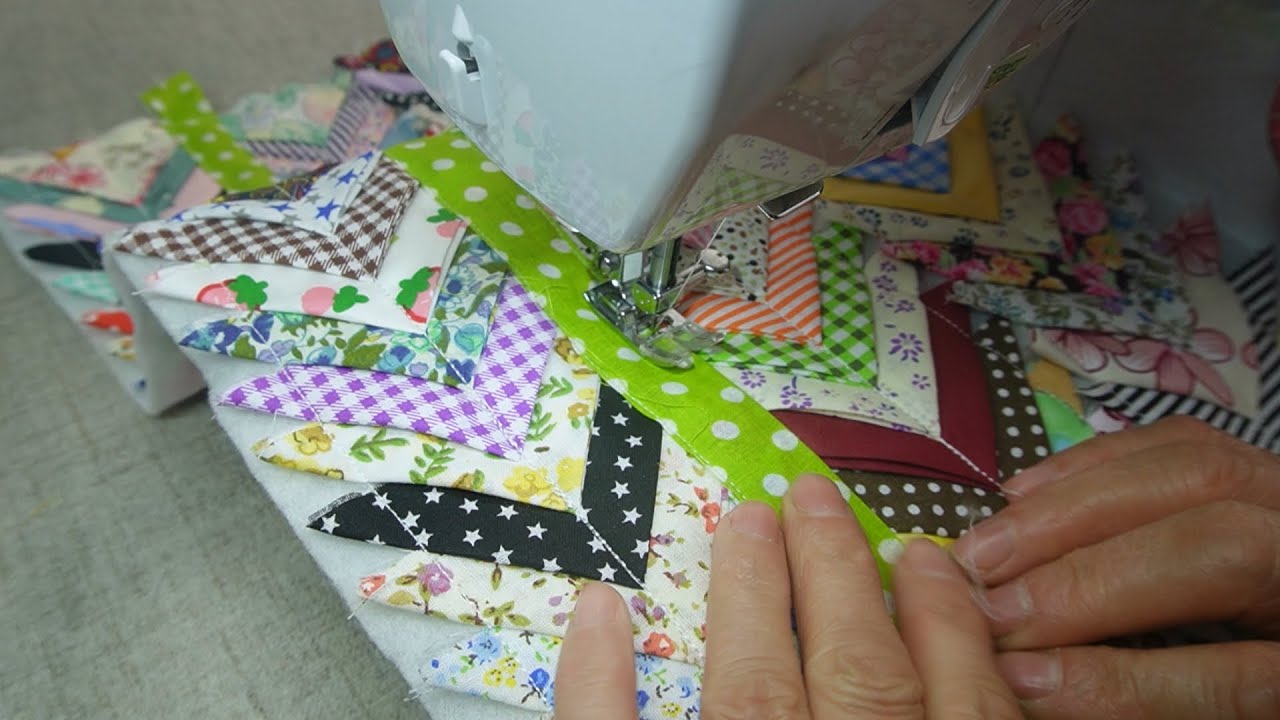
Threading a needle will always remain a core memory for someone just getting started with the art of sewing. Contrary to what people think, forming a new hobby isn’t so difficult — especially when it involves a variety of sewing projects. All you need is direction with a bit of consistency.
But with so many options at hand, the journey can also feel a bit overwhelming. Experts who specialize in sewing always advise newbies to be patient with the craft itself. So, if you’re also on the lookout for interesting project ideas, it’s best to proceed with a step-by-step approach.
Instead of striving to acquire advanced sewing skills (or perfect your craft), choose beginner-friendly sewing projects. With this, you’ll get access to essential techniques, the ability to become comfortable with your sewing machine, and build confidence at the same time. Just start simple and let your gradual progress define the rest.
What Makes a Good Beginner Sewing Project?
Take a deep breath before we tell you this: It’s okay to make mistakes in the pursuit of making good beginner sewing projects. After all, before you learn what truly makes a well-sewn beginner project, it is important to be comfortable with imperfections and redoes.
Since you’re in the initial phase of learning how to sew, your core focus should be on understanding simple geometry (squares or rectangles), forgiving (easy-to-cut) fabrics, and minimal sewing steps, with no complex closures. Considering that sewing curves require advanced manipulation and practice, it’s best to avoid them in the early stages.
So once you’re familiar with the defining factors of sewing, you won’t have to worry about getting overwhelmed by fitting issues or tricky techniques. Besides that, you’d be able to master machine control, sew straight lines, and turn precise corners, while maintaining an even seam allowance.
5 Easy Sewing Project Ideas to Start With
The best kind of beginner sewing projects are those with practical usage. Imagine attending one of your in-person sewing classes, spending countless hours and effort on a single project, only to store it in your drawer because it’s of no use to you. Sounds like a waste of effort, doesn’t it? You can avoid this by choosing easy sewing projects, such as:
- Fabric Bookmarks: The perfect creation for bookworms and reviewers alike, fabric bookmarks are fairly easy to make, requiring only the skills of turning corners and topstitching (often paired with a ribbon or tassel for added flair).
- Reusable Fabric Coasters: White water rings aren’t anyone’s favorite, and the best way to counter the problem of condensation dripping down the table is by having a highly absorbent, reusable fabric coaster, which is made with multiple fabric layers and clipped corners.
- Drawstring Gift Bags: Ideal for chronic gift givers, drawstring gift bags can easily store goods like candies, jewelry items, & folded notes of affirmation, formed by creating a casing and threading ribbon for proper functionality.
- Tote Bags: It doesn’t matter what your full-time job is; you’re always going to benefit from having a tote bag on hand, as it’s essential for shopping, commuting with laptops, and much more. It’s made by working with larger fabric panels and attaching handles (able to withstand heavy weight without tearing off).
- Pillow Covers: Everyone loves to see cutesy pillow covers in their bedrooms, bringing life to an otherwise boring interior. But making them is also quite easy, requiring just the skills of accurate measurements and the ‘envelope’ method (involving two overlapping fabric panels).
4 Beginner-Friendly Accessories to Make
Once you’ve gotten comfortable with creating practical sewing projects, you’d be open to expanding your horizons with more compact, intricate accessories. Not only would this approach allow you to better control smaller pieces of fabric, but your creations would also make the perfect gift for your loved ones. Some notable beginner-friendly accessory options for sewing include:
- Scrunchies: A silky soft adornment for the hair or wrist, scrunchies are made by cutting a strip of fabric (roughly 3” x 18”), folding it in half, and stitching the long edge to create a tube. This process is followed by turning the fabric inside out, threading a piece of elastic, tying the ends together, and hand-sewing the opening closed.
- Fabric Keychains or Wristlets: Highly recommended for people who are habitual of forgetting essentials at home or the restaurant table, fabric wristlets (key fobs) are created through an intricate process of cutting a strip of fabric and a matching strip of interfacing. The edges are then folded into the center like bias tape, stitched down in the middle, folded in half to make a loop, and the raw ends are secured to a metal key fob.
- Reusable Snack or Storage Bags: Loved by environmental conservation enthusiasts, these bags offer a perfect alternative to single-use plastic bags. Sewing students learn to create this multiple-use bag by cutting two squares of cotton for the outside and food-safe, waterproof PUL fabric for the lining. These are sewn together, right sides facing, with a bottom opening to turn the bag inside out, which is then secured with a topstitch and a suitable closure.
- Basic Aprons: Whether you love to cook or paint, you’ll always want a barrier to protect your clothes from stains. Sewing basic aprons involves cutting a large rectangle of fabric for the main body and hemming the edges. Then, sew long, straight strips of fabric for the waist ties and a neck loop. Lastly, attach them to the designated corners of the apron.
4 Home Décor Projects That Build Confidence
Converting one’s own home into a personal sanctuary is an art only a few have mastered — and so can you. When you’re done sewing what you can wear, see in your bedroom, or carry around, the next step is to polish your skills as an emerging artist with sewing projects for home décor.
- Table Runners: If your living room is beige and you’re more of a burgundy enthusiast, it’s clear you’d want a table runner that reflects your interests. Sewing these practical interior enhancers requires measuring your table and cutting the fabric to your preferred length and width. This process is followed by pressing raw edges and sewing a straight stitch along all four sides.
- Placemats: Plain tables are not anyone’s cup of tea, but personalized placemats add beauty to your dining room with the functionality of protecting the table from spills and stains. Learners are guided to sew this item by cutting two rectangles of fabric (roughly 12” x 18”) and one matching piece of cotton batting to provide structure. Then, proceed to layer the cut pieces, sew around the perimeter, press the edges flat, and secure with a topstitch.
- Simple Fabric Baskets: It’s never a good look when extra toilet paper is in full view in the restroom, which is why simple fabric baskets are a necessity. You can easily sew this by cutting equal squares (or rectangles) of outer fabric, lining fabric, and fusible fleece. Proceed with sewing the sides and bottoms of the outer and inner pieces, box the corners, create a flat base,… and countless other steps till you fold the top rim down for a sturdy edge.
- Decorative Cushion Covers: Adding texture to your furniture has never been this easy as it is with decorative cushion covers. To sew these faux fur or rich velvet-clad beauties, start by cutting one square front panel and two smaller rectangular back panels (for an envelope closure)… and your instructor will guide the rest
Tips for Choosing the Right First Project
Now that you’re equipped with a wide variety of options for sewing projects, it must be tough to decide where to start. But fret not; it’s always easier to make a choice when you have experts to guide you along the process. As categorized by level of expertise above, you can better assess your sewing level. Once you know where your skills lie, proceed to:
- Match the Project to Your Current Skill Level
- Focus on Learning Rather Than Perfection
- Choose Projects That Can Be Finished in One or Two Sessions
- Repeat Similar Projects to Strengthen Your Skills
Let Stitched Together Help You Out with Your Beginner Sewing Projects!
There’s no age to define whether you’re eligible to learn a new hobby. As long as the interest is there, you can always find instructors to help you improve your craft. Here, one thing always makes a learner curious: the first project to work on. Naturally, the process can be a bit challenging when there’s a variety of interesting sewing projects to choose from.
However, the presence of sewing instructors can make a huge difference. With their expertise, they provide a vital foundation for beginners by teaching proper techniques early on in the classes. Not only do they offer personalized troubleshooting, but they also ensure safe equipment handling and build confidence through hands-on guidance.
- Instructors help eliminate the frustration of tangled threads by guiding you through machine threading, bobbin winding, and needle changing.
- Fabric handling is one of the biggest issues sewing students come across, which is countered with immediate feedback from experts who give insights for sewing straight lines and smooth curves, sizing, grainlines, and matching the right fabric weight to the project of your choice.
- Picking the seam in the wrong way is a common occurrence in sewing classes, which is why experts present a thorough guide on how to unpick a bad seam while teaching you the ‘why’ behind the mistake.
Stitched Together Studio is more than just a place with sewing instructors. It’s a sanctuary for learners. Led by founder Vicki, our studio welcomes individuals of all ages and walks of life to start anew with a fresh hobby. Whether you want to start sewing with a pillow cover or a scrunchie, our team is here to guide you through every step of the process.
Frequently Asked Questions (FAQs)
Q1. What are some common sewing projects for beginners?
Some of the most common sewing projects for beginners include scrunchies, tote bags, pillow covers, table runners, and drawstring gift bags.
Q2. What is the first thing a beginner should sew?
Considering the ease of handling fabric and the absence of a complex sewing process, it is highly recommended for beginners to choose either a fabric coaster or scrunchie as their first sewing project.
Q3. What is the easiest item to sew?
The easiest items to sew as a beginner are a tote bag and a pillowcase. For your first project, you may choose either of these items.
Q4. What are some common sewing mistakes to avoid?
Sewing mistakes you should always avoid include skipping the pre-wash, incorrect thread tension, and pulling the fabric. The presence of any of these errors can derail a simple project and lead to an unpleasant result — wasting time, effort, and materials.
