
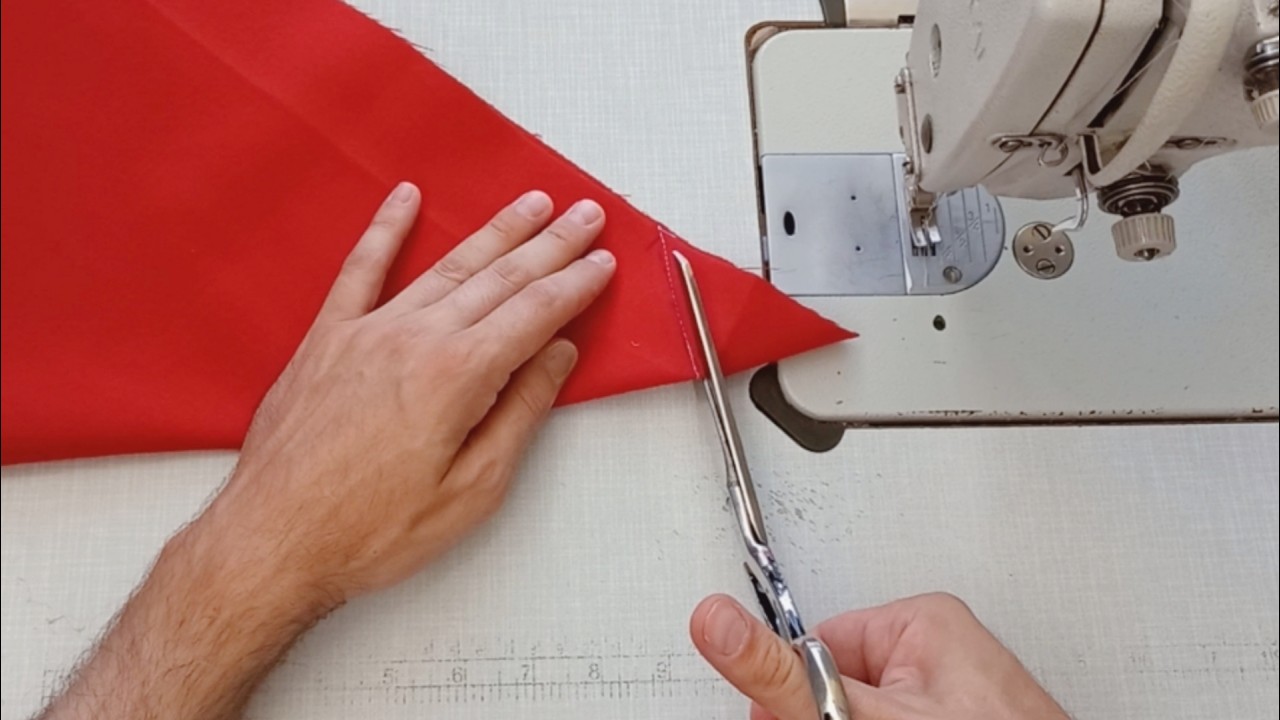
Creativity never comes the same way to everyone. For some, it’s an escape from what bothers them the most. As for the others, it’s more of a puzzle to solve. Either way, there’s no restriction on the vast array of mediums you can choose for a lifelong hobby. Whether it’s the high-pigment vibrancy of acrylics or the fine stitches of silk threads, they all offer limitless creative freedom.
Since not everyone desires their hands to be messy from the viscous, leathery smudges of dried acrylics, many believe learning to sew is their cup of tea. That’s right, beyond just creating art for art’s sake, some want to benefit from the utility of what they create. And that’s precisely where sewing comes in — with tote bags, button-down shirts, summer dresses, & intricate outerwear.
It doesn’t matter if you’re a child, a teen, or an adult; you’ll never run out of things to pursue. Be it a new technique to learn, a new challenge to overcome, or a new project to complete. With time, you begin to feel confident & more accomplished with what you’ve crafted. Keep reading to learn how simple mending or alterations can go on to become lifelong hobbies.
Why Sewing Continues to Appeal Across Generations
Grandma didn’t just randomly make a napkin that’s been used for decades in your home. It’s the result of a craft that’s been a constant across generations. The reason? When art meets purpose, that’s when people grow to love the craft of sewing in their free time. So, besides just upcycling products, this art medium is excellent for stress relief & personalized self-expression.
Though many wonder what exactly makes this craft so appealing across generations. They think, ‘Isn’t a hobby supposed to evolve into something else?’, but there’s a catch. When one believes there’s no room to learn anything new in a hobby, they abandon it. However, such is not the case with sewing.
Closing seams with intricate stitches, the process of getting better at sewing eventually becomes a long-term passion for many. And so, there’s a reason sewing classes hold appeal in this day & age. In most parts of the world, sewing courses are offered for people of all ages. Without societal standards of ‘normalcy’ defining you, explore what you want to sew & create art that’s never been seen before.
How Sewing Skills Grow Over Time
Rome wasn’t built in a day, and the same is true for developing a skill as demanding as sewing. With this, it’s not just your hands learning to hold a needle or work their way through a fabric. Rather, it uses your visual perception & resilience to employ spatial reasoning, fine motor skills, & other essentials that come with learning to sew.
Starting with the basics, you learn basic machine operation, bobbin winding, & forming straight-pattern stitches. And when you begin to get more comfortable with holding & understanding the fabric’s flowy movements, you head on to mastering closures, reading patterns, & finishing edges.
Then, you can expect to move on to taking proper measurements for different types of wearable projects. It may include sewing with fabrics as delicate as silk, chiffon, & denim. Before you know it, you have mastered the skill enough to drape your vision onto the pinnable mannequin, & craft projects like tailored trousers, lined jackets, & fitted dresses.
3 Reasons Many People Find Sewing Relaxing and Rewarding
Considering how digital fatigue (from the unregulated consumption of TV and/or phone) has the potential to mute one’s creativity, it’s always better to come up with healthier ways to beat the boredom. And so, learning to sew provides a tactile, soothing, & rewarding way to lower stress hormones & trigger a dopamine boost.
- Break From Screens and Daily Stress
- Joy of Creating Something Yourself
- Hobby That Offers Personal Fulfilment
4 Benefits of Choosing Sewing as a Long-Term Hobby
You’re way past spending your free time being unproductive & having a creative block. While sleeping for long hours & getting a well-needed recovery from an exhausting workweek is justified — it’s important to know how to keep the perfect balance. Since learning to sew is a hobby, why not choose this rewarding & practical art form? Here are all the reasons making it an ideal choice for a long-term hobby.
- Encourages Creativity and Self-Expression
- Builds Confidence Through Accomplishment
- Provides Opportunities for Continuous Learning
- Promotes Patience and Problem-Solving
How Beginners Can Build a Strong Foundation for Long-Term Enjoyment
You know what they say, starting with something new is often the hardest part of the journey. After that, everything gets easier. That said, many new learners remain curious about how they’d be able to handle something as fluid as fabric. But all the doubts are cast aside the moment they’re taught the basics of sewing.
From winding bobbins to performing a straight stitch to make the perfect seam, the craft makes you an expert to your fingertips. With time, many learners grew comfortable with simple projects & had no problem with moving the challenge up a ladder. Even though the challenges remain realistic & require significant time to master the art, a supportive learning environment & self-acknowledgement go a long way.
Explore Beginner Sewing Classes & See If You Find Sewing Relaxing!
Hobbies aren’t formed just because you have nothing else to do in your spare time. These are intentional steps to invest your energy in doing what you truly enjoy. If you love the tactile feel of dry threads as they create usable art, then sewing is just the right thing for you. As you’re learning to sew, you’ll find that the practice is more than just a hobby. It’s a lifestyle.
- Provides a calming mental escape by measuring, cutting, & stitching fabric.
- Allows you to break free from fast fashion & mass-produced items.
- Gives you full creative hold over what you create or choose to sport.
Stitched Together Studio is a renowned organization for teaching the art of sewing for individuals of all ages. Here, no one is confined to what they create & how they create it, because all is good as long as they’re following their heart & incorporating learnt skills. What we demand from new learners at our studio is the spirit to learn & the patience to trust the process.
Frequently Asked Questions (FAQs)
Q1. Is sewing a good hobby to learn?
Yes, sewing is a good & popular hobby to learn, which is known to be a personal favorite for individuals across generations. It efficiently combines practical life skills, such as altering, repairing, & creating, with therapeutic movements of hand-eye coordination & fine motor skills.
Q2. Does it take a long time to learn how to sew?
The basics of sewing only take a few hours to learn, whereas sewing garments/items compatible with beginner skills requires a few months of consistent practice.
Q3. What are the benefits of learning how to sew?
There are many benefits that come with learning how to sew, some of which include: customizing your own wardrobe, instant gratification of creating something on your own, fixing damaged clothing items, & crafting unique handmade gifts. It also has a long-term, healthy impact on one’s mental health.
Q4. Why don’t people sew anymore?
The rise of fast fashion is one of the primary reasons why people are deviating from learning how to sew. Consequently, the over-reliance on fast fashion goods costs a lot more than any other counterpart as the products don’t last long & require frequent replacements.
